
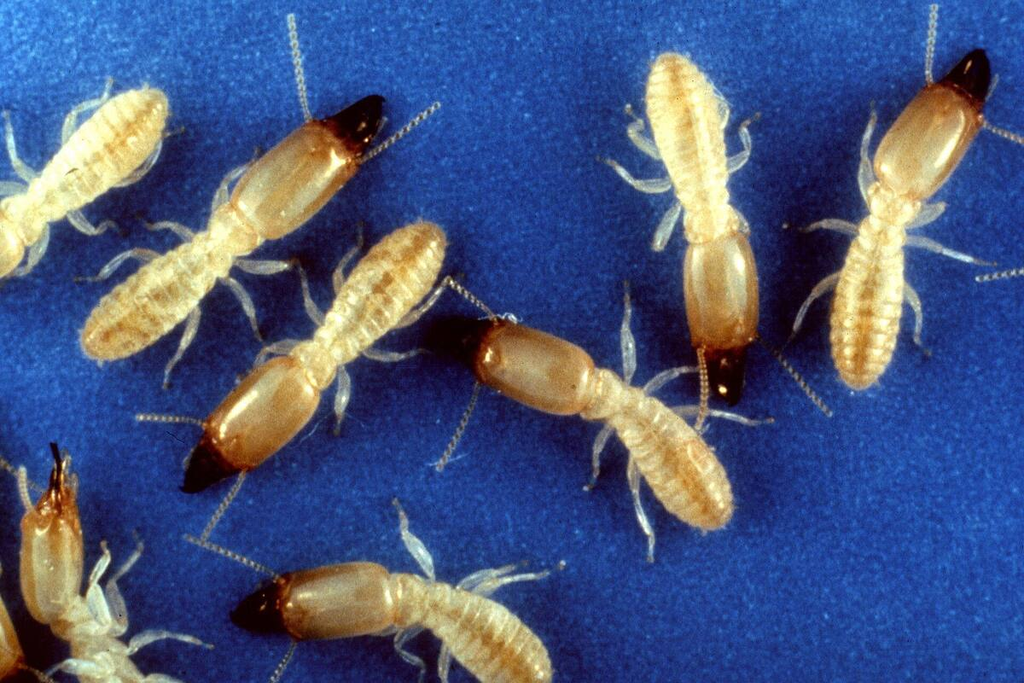
Termites rarely announce themselves. They feed on wood out of sight, inside walls, floors, and framing, and by the time damage is obvious, they may have been working for a long time. In North Carolina, the termites behind most home damage are subterranean termites, mainly the eastern subterranean termite (Reticulitermes flavipes), which nests in the soil and travels up into the wood of your home.
The good news is that termites do leave clues. Here are five signs every North Carolina homeowner should know, and what to do if you spot one.
1. Swarmers Inside Your Home
Swarmers are winged termites that leave a mature colony to start new ones. According to NC State Extension, native subterranean termites in North Carolina begin swarming in late winter and can continue into September or October. Swarms usually happen during the day, often on warm days after rain.
Where you see them matters. Swarmers outdoors near a stump or landscape timbers don’t necessarily mean your house is infested. Swarmers inside your home usually mean there’s an infestation somewhere in the structure. Indoors, they’re often drawn to light, so look near windows, doors, and light fixtures.
Termite or Flying Ant?
Both swarm in spring, and they’re easy to confuse. Look closely:
| Feature | Termite Swarmer | Flying Ant |
|---|---|---|
| Waist | Broad, no pinch | Narrow, pinched |
| Antennae | Straight, beaded | Bent or “elbowed” |
| Wings | Four wings of about equal size | Front wings longer than back wings |
Swarmers themselves don’t damage wood. Worker termites do that. But swarmers are one of the clearest signs that a colony is nearby.
2. Discarded Wings
Swarmers shed their wings soon after they land. Often the swarm itself goes unnoticed, and all that’s left are small piles of wings, all about the same size, on windowsills, in spider webs, along baseboards, or near doors. NC State notes that indoors, you’ll often find only dead swarmers or just their wings.
If you find a pile of wings inside, save a few in a sealed bag or on clear tape. They can help a professional confirm what you’re dealing with.
3. Mud Tubes
Mud tubes are one of the most common signs of subterranean termites. Termites build these pencil-width tunnels from soil and wood particles to protect themselves and keep moisture in as they travel between the soil and your home.
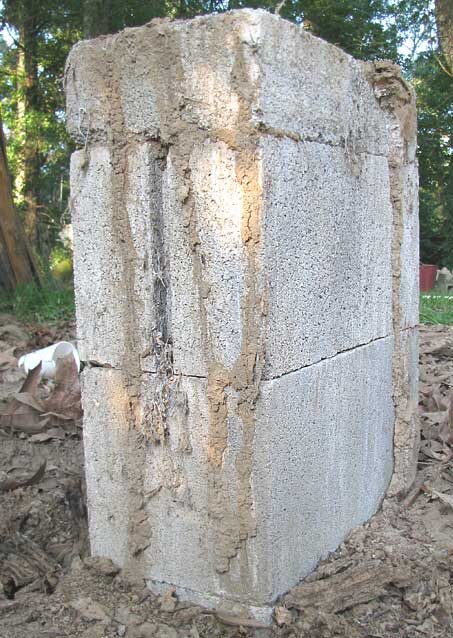
Where to Look for Mud Tubes
- Along foundation walls, inside and out
- On piers, joists, and sill plates in the crawlspace
- Behind siding, porch steps, and around plumbing that enters the home
- In basements and along cracks in concrete
NC State Extension explains that an empty tube doesn’t mean the termites are gone, because they often abandon tubes and rebuild damaged ones. Under North Carolina regulations, a mud tube on a wall indicates termite activity whether or not termites are found inside it.
4. Damaged or Hollow-Sounding Wood
Subterranean termites eat wood from the inside out, often leaving the surface intact. Signs of damage include:
- Wood that sounds hollow or dull when tapped with a screwdriver handle
- A thin, gritty, gray-brown film on the wood surface
- Wood that feels soft or crumbles easily when probed
- Galleries running along the grain, often packed with soil
Check wood in the crawlspace, around the sill plate, door and window frames, and anywhere wood is close to the soil.
5. Moisture Problems and Wood Touching Soil
This one isn’t termites themselves, but it’s often where an infestation starts. Subterranean termites need moisture, and North Carolina’s humid climate, sandy soils, and frequent rain give them plenty. Homes with damp crawlspaces, leaking gutters or downspouts, or wood touching soil are at higher risk.
Watch for:
- Standing water or damp soil in the crawlspace
- Gutters and downspouts that drain against the foundation
- Mulch piled against siding or covering the foundation
- Firewood, lumber, or wooden steps in contact with the ground
NC State notes that mud tubes along ceilings or upper floors can indicate an above-ground infestation fed by a moisture problem, and fixing that moisture is the first step. Our crawlspace remediation and moisture control services can help correct these conditions.
What to Do If You Find Signs of Termites
- Don’t panic, and don’t disturb the area. Termite damage happens slowly, so you have time to make a good decision.
- Skip the spray can. NC State Extension explains that spraying swarmers or the surface of infested wood may kill the termites you see but won’t stop the infestation.
- Take photos and save samples of wings or swarmers if you can.
- Schedule a professional inspection. NC State does not recommend do-it-yourself chemical termite control and recommends a professional termite inspection every year.
Termite Inspections in Southeastern North Carolina
Heritage Pest & Services provides termite treatments, including thorough inspections, preventative barrier treatments, real estate inspections, and long-term monitoring, for homeowners in Robeson, Scotland, Hoke, Cumberland, Moore, Richmond, and the surrounding counties. If you’ve noticed any of these signs, or you’re buying or selling a home, contact us for a free estimate or call or text (910) 852-1384.
Sources
- NC State Extension: Biology and Behavior of Eastern Subterranean Termites
- NC State Extension: Monitoring and Management of Eastern Subterranean Termites
- NC State Extension: Termite Swarmers: What Do They Mean for You?
Featured image: Eastern subterranean termite workers and soldiers, USDA Agricultural Research Service (public domain).
